Benefits of Fermented Foods: Why I’m Always Talking About Sauerkraut
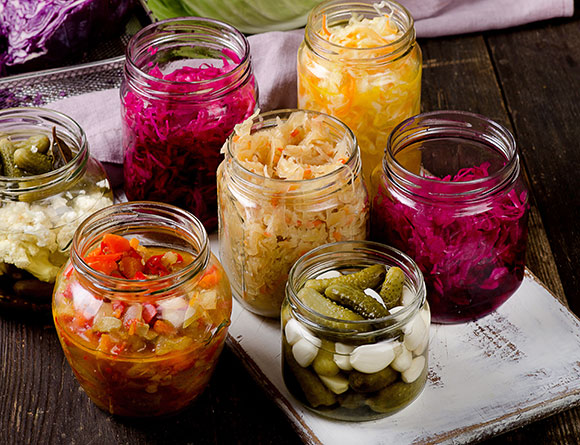
A few years ago, someone at one of my workshops asked me,
“Are you being paid by a sauerkraut company or something?”
I laughed.
“No… but maybe I should be!”
If you’ve worked with me, you already know that I’m a huge fan of fermented foods. Not because they’re trendy, but because the research on gut health continues to grow—and because they’re one of the simplest, most affordable ways to support your health.
A healthier gut microbiome is linked with lower inflammation, improved metabolic health, better blood sugar regulation, and even appetite regulation.
Emerging research suggests that regularly eating fermented foods may support weight management—not because they’re a magic fat-burning food, but because they help nourish a healthier gut microbiome.
Our ancestors ate fermented foods every day without thinking twice. They fermented vegetables because it preserved food safely before refrigeration existed.
Today, we’ve traded those traditional foods for convenience, and many of us are missing out on a whole lot of goodness.
Fermented Foods: Small Amounts, Big Benefits
Here’s the part I think often gets overlooked.
It’s not about finding one magical superfood.
It’s about small amounts, consistently.
Rather than eating a huge serving once in a while, aim to include a little fermented food most days.
Easy Ways to Eat More Fermented Foods
Getting started doesn’t have to be complicated. Here are a few simple ideas:
- ✅ Add a forkful of sauerkraut or other fermented vegetables to salads, poke bowls or soups.
- ✅ Mix sauerkraut with cream cheese or ketchup to tone down the flavour. (see recipe below)
- ✅ Enjoy plain yogurt with kefir as a delicious breakfast.
- ✅ Add naturally fermented pickles to your sandwich, burger or tartar sauce. (see tartar sauce recipe below)
- ✅ Replace soda or energy drinks with kombucha.
- ✅ Try a spoonful of kimchi with eggs or roasted vegetables.
- ✅ Add apple cider vinegar to salads or use the brine from fermented vegetables.
- ✅ Switch to sourdough bread.
- ✅ Replace tofu with tempeh.
How Much Fermented Food Should You Eat?
Less is more!
- Sauerkraut, kimchi or fermented vegetables: 1–2 tablespoons per day.
- Kefir or kombucha: About ½ cup per day.
You don’t need large amounts. The goal is to make fermented foods a regular part of your routine.
How to Buy Real Fermented Foods:
Read the Label
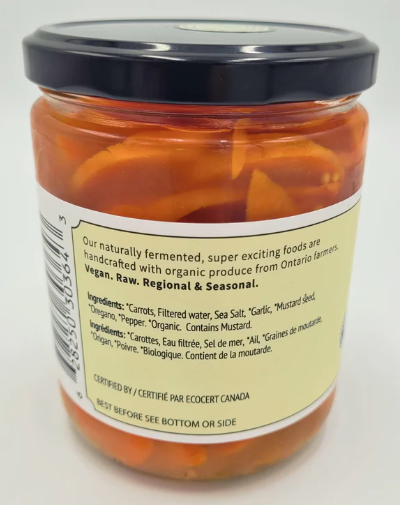
Manufacturers of genuine fermented foods are usually proud to tell you.
Look for terms such as:
- Raw
- Unpasteurized
- Naturally fermented
- Probiotic-rich
- Enzyme-rich
- Contains live active cultures
Check the Ingredients
Many shelf-stable products are made with vinegar rather than traditional fermentation. While they’re still tasty, they don’t provide the same live microbes.
A genuinely fermented vegetable product typically does not list vinegar in the ingredient list.
Look in the Refrigerated Section
Real fermented vegetables usually live in the refrigerated section of the grocery store. Sometimes you’ll find them above the meat counters or alongside refrigerated specialty foods.
Consistency Beats Perfection
As with almost everything in nutrition, consistency beats perfection.
You don’t need to overhaul your diet overnight. Simply adding a small amount of fermented food most days can be an easy habit that supports your gut health over time.
I’d love to hear from you.
Do you already eat fermented foods? What’s your favourite?
Leave a comment below or reach out if you have questions.
And if you’re looking for personalized support to improve your digestion, energy, or overall health, I’d love to help. Book a free discovery call and let’s chat about your goals.

Decked-Out Cream Cheese Breakfast
Ingredients
- 50 – 70 g cream cheese 1/3 cup to 1/2 cup
- 2 Tablespoons sauerkraut select unpasteurized sauerkraut from the refrigerated section of your health food store
- 1or 2 Ryvita or Wasa crisp bread slices
- 5 -7 Dried prunes or apricots
Instructions
- Chop the sauerkraut into very fine pieces.
- Combine chopped sauerkraut and cream cheese to create a uniform mixture.
- Spread the mixture onto one or two crisp breads.
- Top with chopped dried apricots or prunes.
Notes
Kim’s famous tartar sauce
Ingredients
- 1 or 2 green onions chopped
- 1 small piece of fresh ginger about the size of a dice, chopped very fine or grated
- 3 small/medium naturally fermented dill pickles + 1 tbsp of the brine chopped fine
- 1 teaspoon prepared horseradish
- 1/4 cup fresh mayo I like Maison Orphée, you will find it in the refrigerated section
- 1/4 cup plain kefir I like Liberté brand Kefir
- 3 teaspoons chia seeds
- 2 tablespoons chopped coriander or parsley, dill, tarragon, mint…
Instructions
- Combine all of the ingredients in a medium sized bowl, the sauce will appear quite liquid at first.
- Allow the sauce to rest for approximately half an hour, the chia will swell and thicken the sauce.