How to Stop Food Cravings Naturally (Without Relying on Willpower)

Breaking up is hard to do… especially when food is involved.
A big part of my work as a holistic nutrition consultant is helping people build better habits around food — and sometimes that means breaking up with the habits that aren’t serving them anymore.
The good news is that changing food habits doesn’t have to rely on endless willpower or strict rules. In many cases, simply paying closer attention to how food affects your body can naturally reduce cravings and change behavior over time.
How Food Habits Actually Change
In my practice, improving eating habits usually happens through several different pathways.
1. Education
Understanding the “why” behind healthy eating habits often makes them easier to stick with.
2. Physiology
When we support the body through nutrition — healing the gut, balancing blood sugar, and improving metabolic health — cravings often decrease naturally.
3. Noticing and Tracking
Something as simple as observing patterns can be powerful.
For example:
When I eat (…), I feel (…).
This awareness helps us connect foods with how they truly affect our bodies.
4. Normalizing Healthy Habits
For example: It’s normal — and helpful — to spend time each week cooking and meal-prepping. Building this rhythm often makes healthy eating much easier.
5. Self-Compassion and Moderation
Trying to be perfect with food usually backfires. Moderation and self-compassion are far more sustainable.
6. Uncovering Old Stories
Sometimes we carry long-standing beliefs about food that no longer serve us. Recognizing these thought patterns can help shift behavior.
But today I want to share a very practical and powerful way to break food cravings naturally.
Building Your “Enchantment and Disenchantment” Databank
This idea comes from the work of Judson Brewer and his book The Hunger Habit.
The concept is simple:
The more attention we pay to our habits, the more clearly we see whether they are actually rewarding.
When it comes to ultra-processed or junk foods, the more attention we pay, the more disenchanted we often become.
Our bodies are pretty wise.
Many highly processed foods create subtle negative reactions in the body — but we don’t always connect the dots.
A Simple Example
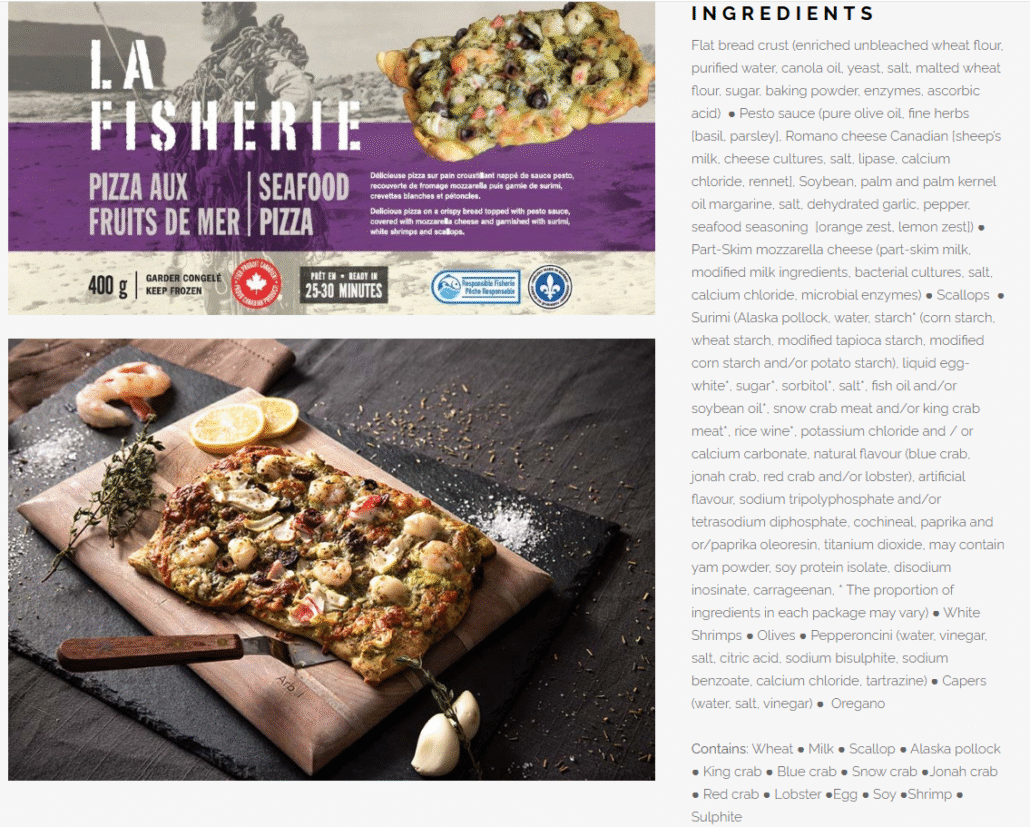
There is a particular brand of frozen pizza that I used to enjoy.
It also happens to have a devastatingly long list of unpronounceable ingredients.
One day I noticed something interesting.
Whenever I ate it, my fingers would ache the next day.
If I hadn’t made that connection, I probably would have continued my easy Friday-night pizza habit and assumed I was simply developing arthritis like both of my parents.
Now I use my fingers as a gauge.
Does that mean I never indulge?
Of course not.
But it does mean I keep things real and moderate.
Once you truly notice how a food makes you feel, it often becomes surprisingly easy to lose interest and choose something better.
Once the reward stops feeling rewarding…
The hierarchy shifts and the food affair quietly ends.
No heroic willpower required.
A Simple Exercise to Understand Your Cravings
To help people develop this awareness, I created something called The Craving Tool.
This simple exercise helps you observe what’s actually happening when cravings arise.
Instead of fighting cravings, the goal is to become curious about them.
How to Use the Craving Tool
1️⃣ Notice when a craving appears
2️⃣ If you decide to indulge, go ahead — but pay attention
3️⃣ Eat exactly what you normally would, but do it mindfully
Before and during the experience, pay attention to:
- WHY you want the food (hunger, boredom, emotions, stress, reward)
- WHAT you are about to eat (ingredients, smell, appearance)
- HOW you are eating (scrolling, driving, watching TV, standing at the counter)
- EACH BITE — the taste, texture, smell, and temperature
Afterwards, check in with yourself:
- How does your body feel?
- How do your emotions feel?
- What kind of thoughts are showing up?
Over time you begin building your own enchantment and disenchantment databank.
Some foods will stay enchanted.
Others… not so much.
And that’s often where real habit change begins.
For most people, repeating this noticing exercise around 15 times helps break the habit loop for good.
👉Get the craving Tool HERE
Why Mindful Awareness Helps Break Food Cravings
The interesting thing about cravings is that they often lose their power when we truly pay attention to them.
Instead of automatically reaching for a food out of habit, we start noticing:
- how it tastes
- how it feels in the body
- whether it actually satisfies us
And when a food stops delivering the reward we expected, our brain gradually loses interest.
That’s why mindful eating can be such a powerful tool for breaking food cravings naturally.
Try the Craving Tool This Week
If you’re curious, try this experiment the next time a craving appears.
Approach it with curiosity rather than judgment.
You may be surprised at what you discover.
And if you’re working on improving your health, metabolism, or relationship with food, small insights like these can create big changes over time.
Curious About Your Food Habits?
What is your current food crush — the one you suspect might not actually love you back?
If you’re interested in supporting metabolism and reducing cravings, you may also enjoy my article on: Why Breakfast Matters More Than You Think For Energy, Hormones and Weight-Loss
If you’d like help understanding your cravings, metabolism, or nutrition patterns, you’re also welcome to book a free discovery call with me to explore whether working together might be helpful.
FAQ about Food cravings:
Why do I crave unhealthy food?
Food cravings are often influenced by blood sugar fluctuations, stress, emotions, habits, and exposure to ultra-processed foods. Processed foods are engineered to be extremely addictive. When we become more aware of how foods actually make us feel, cravings often start to lose their power.
Can mindful eating reduce cravings?
Yes. Mindful eating helps you notice the taste, texture, and after-effects of foods. Over time this awareness can shift your brain’s reward system and reduce cravings for certain foods.
How long does it take to break a food habit?
Research suggests that repeated awareness of a habit loop can help weaken cravings. Using tools like the Craving Tool about 15 times often helps people naturally disengage from a food habit.