Why It’s Not Just About the Plan: The Real Reason Nutrition Plans Don’t Work On Their Own
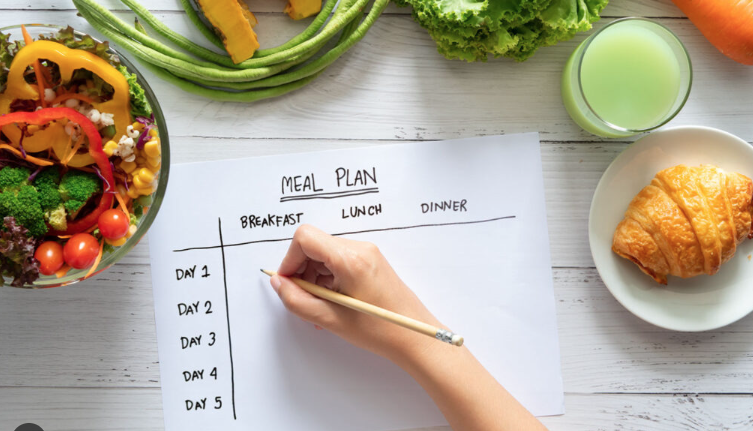
“Struggling to stick to a nutrition plan? Here’s why it’s not about discipline—and what actually creates lasting weight loss and healthy habits.”
If you’ve ever felt frustrated with yourself for not following through on a nutrition plan… you’re not alone.
And more importantly — you’re probably not the problem.
Because changing your diet and lifestyle isn’t just one thing.
It’s actually two very different (but equally important) parts.
The Two Parts of Lasting Change
1. The “Nuts and Bolts” of a Nutrition Plan
This is the part most people focus on:
- The nutrition plan
- The lifestyle guidelines
- The vegetables, protein, healthy fats
- The fiber, probiotics, hydration…
It’s the tangible, measurable side of things. The part that feels clear and structured.
2. The “Soft Skills” That Actually Drive Results
This is the part that often gets overlooked — but makes all the difference:
- Noticing your patterns
- Becoming aware of limiting beliefs around your ability to change
- Paying attention to your self-talk
- Learning to differentiate between real hunger, boredom, and reward-based eating
- Making time to prepare healthy food
- Making your healthy food actually taste good
- Tweaking your habits so they feel easy, natural, and satisfying
This is where real, lasting change happens.
Why Nutrition Plans Don’t Work on Their Own
Most people treat the “nuts and bolts” as the be-all and end-all.
They assume that if they just had the right plan, more discipline, or more willpower — everything would fall into place.
But nutrition programs are only meant to take you so far.
What a Nutrition Plan Is Actually For
When I give a client a nutrition plan, it’s not meant to be followed perfectly forever.
It’s designed to:
- Act as a reset, giving your body a break from common stressors like highly processed foods
- Help you connect the dots between what you eat and how you feel
- Recalibrate your understanding of what portions look like — for you
- Discover the right balance of carbs, protein, and fats — for you
In other words, it’s a tool, not a life sentence.
The Missing Piece: Building Sustainable Habits
A nutrition plan is a starting point. A springboard.
But the magic happens in the soft skills.
So if you feel like your plan isn’t working anymore — or like your follow-through isn’t where you want it to be…
It’s probably not a lack of discipline.
It might just be that you haven’t built the other half of the equation yet.
And that’s something you can absolutely learn and start to shift.
Let’s Talk About It
If this resonated with you, I’d love to hear from you.
👉 Book a free discovery call with me
We’ll talk through what’s been feeling stuck and map out a way forward that actually feels doable in your life.
Kim, ox
FAQ: Nutrition Plans, Follow-Through, and Lasting Change
Why do nutrition plans fail?
Nutrition plans often fail because they focus only on the “nuts and bolts” — what to eat — without addressing the behavioral and mindset side of change. Lasting results require building habits, awareness, and sustainable routines.
Is it normal to struggle with following a nutrition plan?
Yes, completely. Struggling with follow-through doesn’t mean you lack discipline — it usually means there’s a missing piece, like habit-building, emotional awareness, or realistic structure.
Do I need more willpower to stick to a diet?
No. Relying on willpower alone isn’t sustainable. Creating systems, routines, and enjoyable habits is far more effective than trying to “push through” with discipline.
What are “soft skills” in nutrition?
Soft skills include things like recognizing hunger cues, managing emotional eating, shifting self-talk, planning ahead, and building habits that feel natural and sustainable.
Can you lose weight without following a strict plan?
Yes. While a nutrition plan can be a helpful starting point, long-term success comes from learning how to eat in a way that fits your lifestyle — not from rigid rules.
What’s the best way to stay consistent with healthy eating?
Focus on small, repeatable habits rather than perfection. Make your meals enjoyable, plan ahead when possible, and work on the mindset side of change—not just the food itself.