Why More Protein Isn’t Always Better: Finding the Right Balance for Your Body
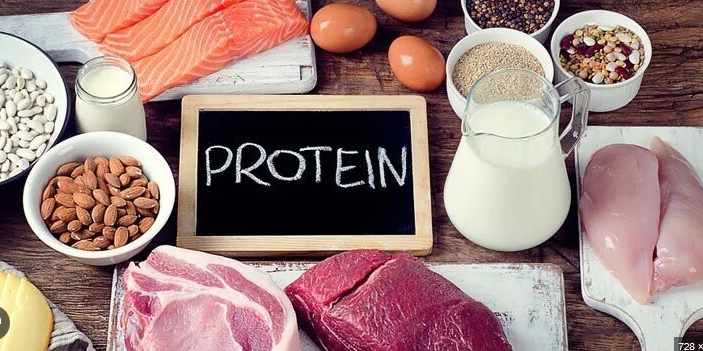
They say that the pendulum swings to the opposite extreme before it finds balance.
Right now, there’s a lot of buzz about protein.
And with that… a lot of misinformation.
Protein Is Essential—But Balance Matters
Yes, protein is essential. It plays a key role in:
- Blood sugar balance
- Satiety (feeling full)
- Hormone balance
- Muscle repair and growth
- Immune function
But more isn’t always better.
How I Learned the Importance of Balanced Protein Intake
Working with Metabolic Balance and getting my own personalized nutrition plan was the first time I truly understood the importance of protein—and how not getting enough affected my cravings and my ability to maintain a healthy weight.
More importantly, it helped me understand the right proportions of protein to carbohydrates—for me.
One of my biggest patterns?
Undereating protein in the morning.
And that almost always led to cravings and snacking later in the day.
The Problem With Too Much Protein
On the flip side, I’ve also seen how overdoing protein—or “protein stacking”—can become an issue, especially when it comes to inflammation.
For example, I recently came across anecdotes of people eating 6 to 12 eggs in one sitting.
That’s a clear example of the pendulum swinging too far.
What Is Protein Stacking (and Why It Matters)
I’m also seeing a growing trend of protein stacking:
Combining multiple protein sources in one meal—like topping a salad with:
- Chicken
- Chickpeas
- Feta
- Nuts
While each of these foods is healthy, combining them all in one sitting can be excessive.
Over time, this can:
- Place unnecessary strain on digestion
- Increase body acidity
- Contribute to inflammation
There Is No One-Size-Fits-All Protein Recommendation
You can easily find generic protein recommendations online.
But personalized nutrition is different.
Metabolic Balance calculates your protein needs based on your:
- Blood markers
- Metabolic profile
- Health status
- Age
- Activity level
This is where real, sustainable change happens.
The Bottom Line on Protein Intake
When it comes to protein:
- The quality matters
- The quantity matters
- The balance with carbohydrates matters
- And more is not always better
Best Protein Foods for a Balanced Breakfast
If you’re looking to improve your protein intake (especially in the morning), here are some great options:
- Organic full-fat yogurt
- Eggs
- Cheese
- Nuts and seeds (and their butters)
- Hummus
- Smoked salmon or trout
- Poultry sausage
A Personalized Nutrition Plan Isn’t About Perfection
As I mentioned last week, a nutrition plan doesn’t have to be a life sentence.
And the goal isn’t to make eating feel rigid or formulaic.
But it is a powerful tool to help you:
- Reach your health goals
- Reduce cravings
- Support your metabolism
- Feel more energized and balanced
Ready to Find Your Balance?
If you’re feeling overwhelmed by all the noise around protein—or you’re curious about what your ideal intake looks like—this is exactly what I help my clients figure out.
👉 Read what clients have to say [HERE]
Or reach out to book a free discovery call and explore your own personalized meal template.
FAQ Section
How much protein do I really need?
It depends on your body, metabolism, activity level, and health status. A personalized approach is far more effective than generic guidelines.
Can too much protein cause inflammation?
In some cases, excessive protein intake—especially from multiple sources in one meal—can strain digestion and contribute to inflammation over time.
Is protein important for weight loss?
Yes. Protein supports satiety, stabilizes blood sugar, and helps maintain muscle mass—but balance is key.