How to Make Delicious Homemade Soup (Even If You’re Not a Soup Person)
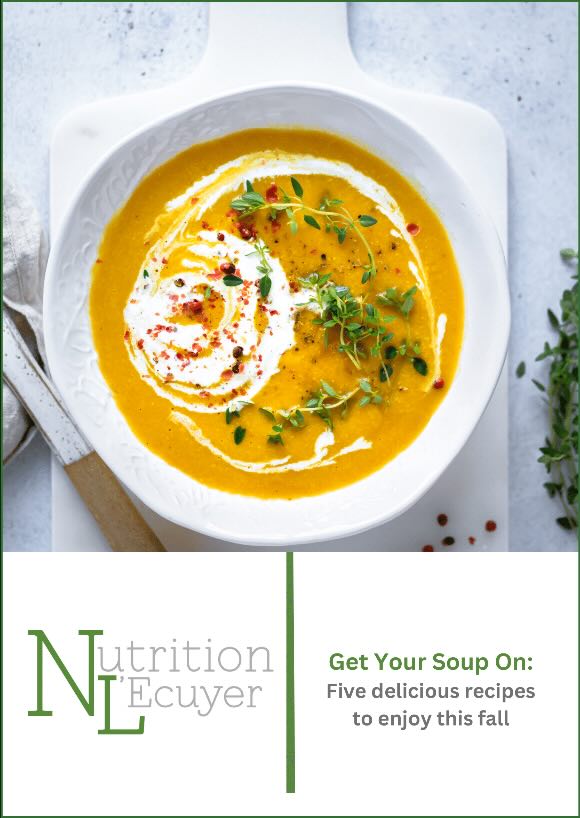
It’s pretty clear at this point that my soup crush isn’t going anywhere.
I’m excited that soup season is upon us. Soup is comforting, nourishing and delicious — once you get the hang of it.
In today’s rant, I hope to inspire you — especially if you aren’t a soup person — to give it a whirl.
I have this theory that anyone who doesn’t love soup just hasn’t tasted enough good soup.
Why I Love Homemade Soup
A few reasons why I go on so much about soup:
🔸 It’s a great way to get a wide variety of vegetables into your rotation. Remember, kids: a wide variety of vegetables equals a wide variety of nutrients. Nutrients are what your body needs to keep you in peak condition.
🔸 Soup is easy to scale. It requires as much energy to make 4 portions of soup as it does to make 12 portions. Anything that increases your efficiency in the kitchen is good math in my books.
🔸 It freezes really well. You can tell me if you agree, but I’m pretty convinced that some soups get even better after they’ve chilled and hung out in the freezer for a bit.
🔸 It’s a great way to use and preserve seasonal vegetables that are plentiful and affordable in the fall.
🔸 It’s the perfect quick lunch or supper side
I freeze my soup in individual containers, and when I want a fast, hot lunch, I simply pop the frozen soup out of its container (a quick pass under some hot tap water and it slides right out), drop it into a saucepan, and lunch is ready in less than 20 minutes.
The Secret to Delicious Homemade Soup? Don’t Settle for Mediocre!
As I mentioned above — and I’m saying this respectfully — if you don’t like soup, it could be that you were raised with mediocre soup.
Here’s what I see a lot:
1. Most Home Cooks Don’t Season Enough
There seems to be a fear around seasoning properly. As if, if it tastes good, it can’t be healthy. Or salt will kill you.
Let me reassure you that you can make great-quality homemade soup with a flavourful combination of seasonings and aromatics while keeping the sodium in check. One of the advantages of making soup at home is that you control how much salt goes into it.
The recipes I share use all kinds of aromatics to build flavour without relying just on plain old refined salt.
2. Taste Your Soup as You’re Making It
There’s also this weird belief that tasting your soup as you’re making it is a sign of being an amateur.
I keep a jar of spoons next to my stove, as I’m constantly tasting my recipes. I may go through 15 or more spoons while I’m making a large pot of soup.
Using spoons only once ensures there’s no double-dipping — because you’re going to want to share and show these recipes off!
3. My Golden Rule: It Doesn’t Go Into the Freezer Unless It’s Absolutely Delicious
When you’re making mega-batches, it’s worth tasting often and adjusting the seasonings as you go.
In the final stages, you’d be surprised at what a squeeze of lemon, a touch of sweetener or just a little more sea salt can do.
The key is to add seasonings in small increments. You can always add more, but you can’t take it out.
How to Balance the Flavours in Your Soup
Here’s a good rule of thumb: delicious recipes often contain a balance of sweet, salty and sour elements.
Experiment with adjusting them to see how it changes the taste of your soup.
A few examples:
Salty: Sea salt, onion or garlic salt, soy sauce, fish sauce…
Sweet: Maple syrup, brown sugar, honey, cream…
Sour: Vinegar, lemon, lime, wine…
You don’t need to use all three every time. The trick is to taste and see what’s missing.
Food Safety Tips for Making and Freezing Homemade Soup
The stakes are higher when making large batches that you’re likely to share.
For safe storage, keep hot food hot (above 60°C) and cold food cold (at or below 4°C).
But here’s the thing: a large pot of hot soup can take a long time to cool in the fridge, and it can warm up and compromise the other food around it.
It’s also best to avoid putting hot soup into ordinary plastic containers that aren’t designed for hot food.
A better way to cool your soup quickly:
Place the pot of hot soup in a sink filled with ice water. Stir the soup often, and replace the sink water as it warms up.
Once the soup has cooled sufficiently, divide it into shallow containers and refrigerate or freeze it promptly. Don’t leave it sitting out until it reaches room temperature.
Your Turn! How Could You Make Your Favourite Soup Even Better?
Do you have a favourite soup recipe? Could you boost its nutrient content by sneaking in a few more vegetables?
For example, that cream of butternut squash soup could handle some cauliflower, celeriac and parsnips, and nobody would be the wiser.
Variety = nutrient density.
👉Get your favourite soup recipes here.
Kim,
ox
P.S. Do you know any soup haters? Share this post with them! And if you’re that person, join my newsletter for weekly inspiration and tips.
P.S. Curious to learn about a more sustainable way to approach weight loss and healthy eating? Click HERE to book a free, no-strings-attached discovery call.
Join the List
Sign up to receive Tips for Easy Sustainable Weight Loss + bonus recipes in your inbox!