How to Choose Healthy Meat: A Holistic Nutritionist’s Guide
When I started my holistic nutrition journey almost 15 years ago, I felt completely overwhelmed.
There was—and still is—so much contradictory information out there.
One headline tells you meat is inflammatory. Another insists it’s essential for good health.
I remember feeling completely lost, being tugged in a dozen different directions.
At the same time, I could find just as much compelling research supporting a plant-based diet as I could supporting the inclusion of good-quality animal protein.
I watched heart-wrenching documentaries. I experimented with vegetarianism and even veganism.
Eventually, I realized something important.
Much of my conviction was based on other people’s experiences, body types, and beliefs—not my own.
There Is No One-Size-Fits-All Approach to Nutrition
After years of working with hundreds of clients, one thing has become incredibly clear:
There is no one-size-fits-all approach to nutrition.
Some people naturally gravitate toward a plant-based diet and absolutely thrive.
Others struggle with their energy, hormones, blood sugar, or iron levels when animal protein is removed.
Our bodies are wonderfully unique.
For clients struggling with inflammation, I can confidently say that well-sourced meat—in the right quantities—is rarely the culprit.
What consistently moves the needle is reducing ultra-processed foods and the chemical additives, artificial flavours, colours, and preservatives they contain.
Why the Way Meat Is Raised Matters
That said, I also believe how our food is raised matters just as much as what we eat.
Before becoming a nutritionist, I worked as an agronomist.
I saw things that made me question many conventional farming practices. I witnessed situations that would make even the toughest person rethink where their food comes from.
I also saw firsthand how preventative antibiotics and other products were routinely used on some commercial farms.
One experience has stayed with me.
When we owned a retirement home, it was actually quite rare to meet residents with food allergies.
But several seniors who were allergic to penicillin consistently reacted poorly whenever they ate pork. Many had eventually removed it from their diets.
Years earlier, while working on commercial pig farms, I had seen pigs routinely fed feed containing broad-spectrum antibiotics, including penicillin-class medications, until shortly before they were sent to market.
I can’t say with certainty that the two were connected.
But the pattern was striking enough that it permanently changed the way I think about the meat I choose to feed my family.
My Philosophy on Choosing Healthy Meat
Today, my priority is simple.
I want the meat we eat to be raised ethically, sustainably, and without the routine use of antibiotics or hormones whenever possible.
I’ll happily bargain-shop for clothes, furniture, or toilet paper.
But I don’t bargain-shop for meat.
If I can’t raise it myself, I want to know where it came from and how it was raised.
How to Buy Better Quality Meat
The good news?
Choosing healthier, better-quality meat is often easier—and more affordable—than you might think.
Here are a few things I recommend:
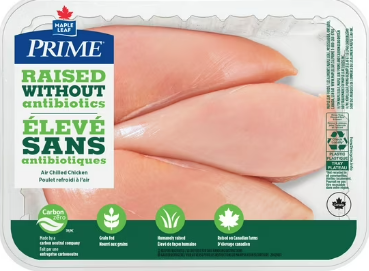
- Look for labels such as “Raised Without Antibiotics” or similar wording.
- Get to know your local farmers. Smaller producers who prioritize animal welfare often produce exceptional meat, and because you’re buying directly, their prices are often surprisingly reasonable.
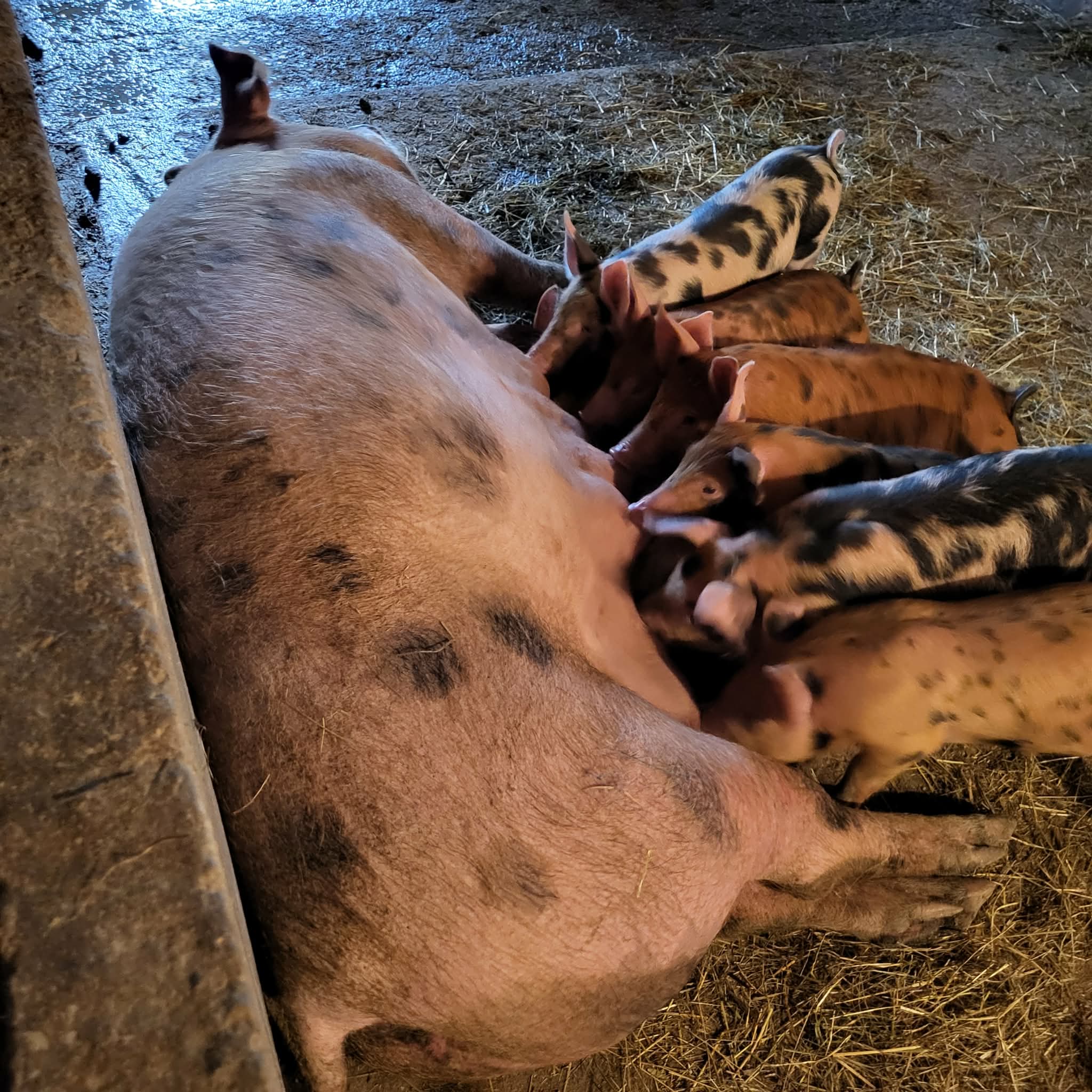
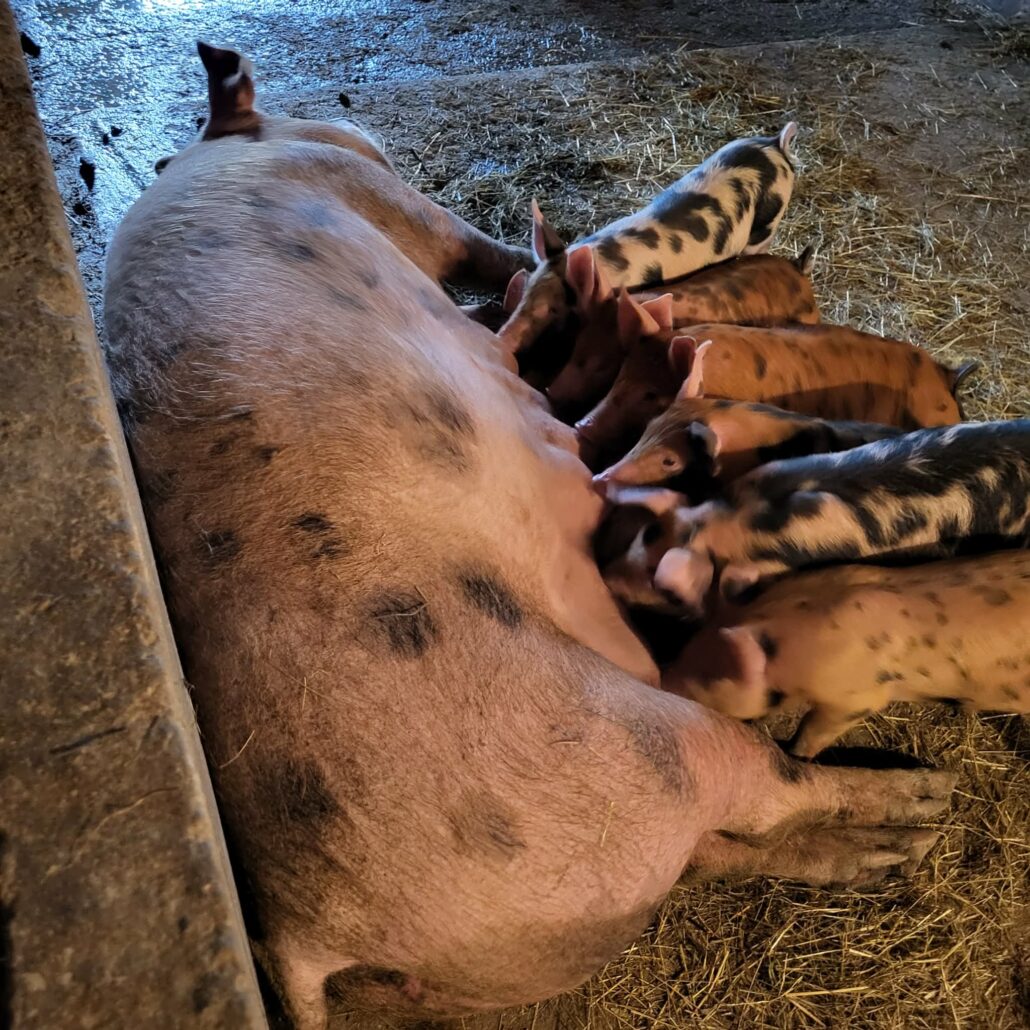
- One of my favourite local producers raises their animals with incredible care. The sow and piglets in the photo below were taken on their farm—with real bedding and plenty of room to move around. If you’d like their contact information, simply hit reply and I’d be happy to connect you.
- Buy local whenever you can. Here in Quebec, I love supporting Les Fermes Valens because their commitment to responsible farming, animal welfare, and antibiotic-free practices aligns with my values. They deliver throughout the province.
- Invest in a freezer and buy in bulk. Purchasing a quarter of beef or half a pig can dramatically reduce the cost per pound while stocking your freezer with high-quality meat for months.
The Bottom Line
Nutrition isn’t about perfection or following the loudest headlines.
It’s about making thoughtful choices that align with your values, your health, and your body.
When it comes to healthy meat choices, I believe quality matters far more than fear.
Cheers,
Kim
P.S. If this article made you think of someone, I’d love it if you’d share it with them. And if you’re that person, be sure to sign up for my weekly newsletter where I share practical, evidence-based nutrition tips to help you build lasting health.