GMO warm and fuzzies
From Hope to a Complete 180 on GMOs
A little over 30 years ago, I sat in a conference organized by McGill University listening to experts enthusiastically discuss GMOs and how they were going to revolutionize agriculture and feed the world.
I remember sitting there feeling hopeful and proud to be witnessing what felt like innovation in action.
Fast forward to today and I’ve done a complete 180.
What Are GMOs?
In case you aren’t clear; GMO refers to Genetically Modified Organisms.
In this case, the focus was on corn or soybean seed that had been genetically modified to be able to withstand a powerful herbicide called Roundup.
How It Works
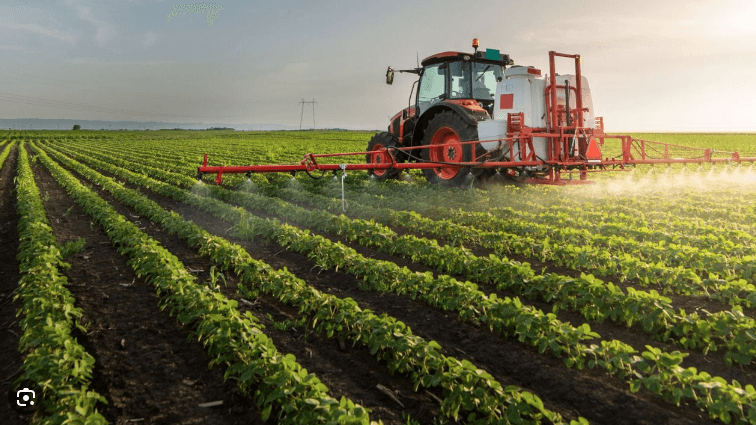
Farmers plant herbicide-resistant seeds, and then spray Roundup over the entire field, effectively killing the weeds without damaging the corn or soybean.
In other words, these crops come as a kit: the seed that is herbicide-proof and the herbicide whose active ingredient is glyphosate.
Glyphosate and Health Concerns
Not only has glyphosate been banned or heavily restricted in several countries, a growing body of research has raised serious long-term concerns including:
- Potential neurotoxicity and nervous system effects
- Liver & kidney toxicity
- Metabolic disorders including diabetes and cardiovascular disease
- Carcinogenic — specifically linked to Non-Hodgkin Lymphoma
- Potential endocrine disruption
- Gastrointestinal issues, including impacts on gut health
We could dive deep into complex scientific studies — and there are plenty to unpack.
But honestly, doesn’t simple common sense suggest that eating fewer chemicals makes more sense?
It does for me.
This Is About Awareness, Not Perfection
This isn’t about fear-mongering or perfection.
It’s about awareness, choice, and using your resources wisely in a system dominated by big business and powerful interests. These chemicals do add up in our systems over the long term.
Your dollar is your vote.
Where to Start: Reducing Pesticide Exposure
If this feels overwhelming, start small and strategically.
One of my favourite tools is the Environmental Working Group (EWG).
EWG is a nonprofit environmental advocacy organization.
Each year they publish two helpful lists:
- The Dirty Dozen: 12 fruits and vegetables most contaminated by pesticides
- The Clean Fifteen: Produce with the lowest pesticide residue
You don’t need to overhaul your entire pantry overnight.
Start with the Dirty Dozen to significantly reduce your chemical exposure. This is where I like to focus my organic dollars.
When possible, sourcing your food locally adds an extra layer of connection, integrity, and nourishment.
Your Food Is Your Fuel
Your food is your fuel. Choose it wisely.
Kim
ox
Ready for Support?
If you haven’t felt like yourself in awhile and you’re unsure where to begin, or if you’re wondering how to apply all of this to your own life, I’d love to help.
I offer a free, no-strings-attached discovery call — a relaxed conversation where we look at your goals, your lifestyle, and see if the timing is right and if we’re a good fit.
👉 Book your free discovery call HERE